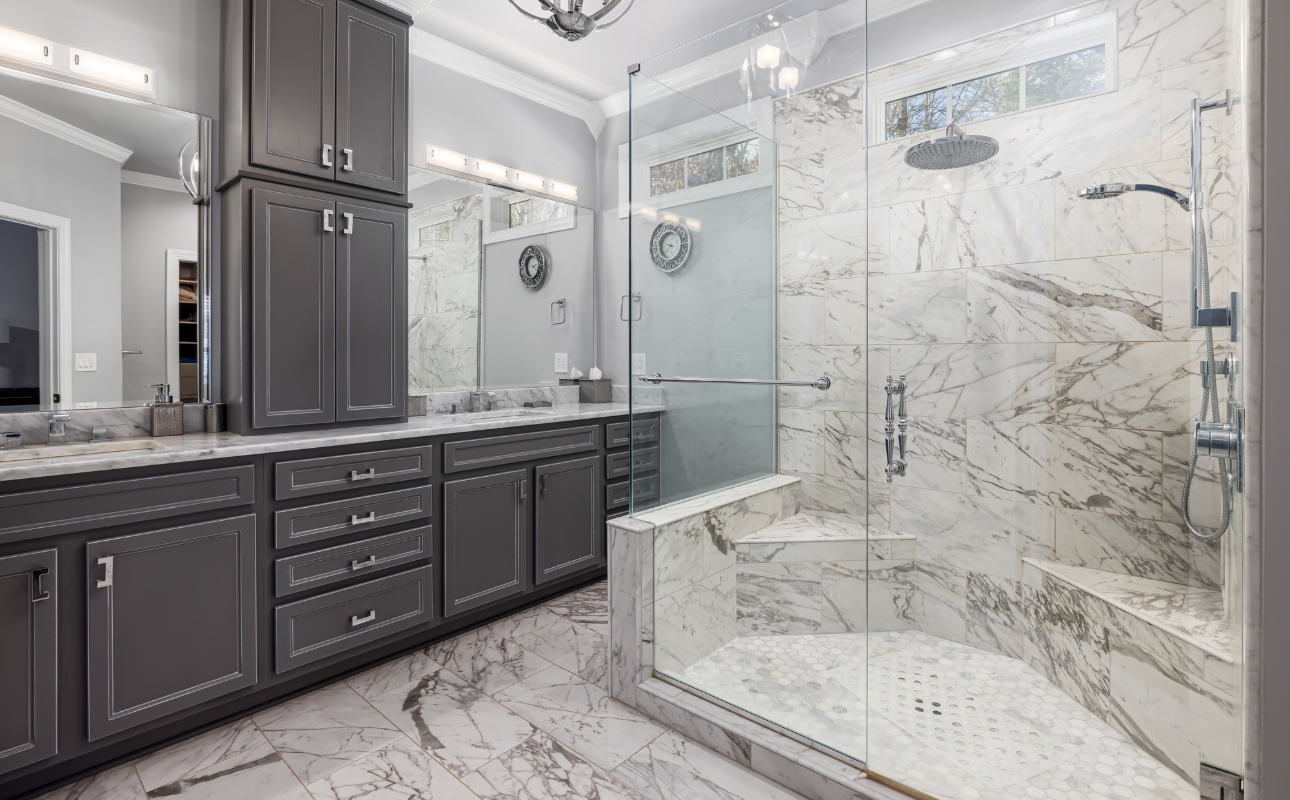
Remodeling your Queens bathroom is a chance to blend functionality with your personal style while boosting your home’s value. Whether you’re swapping out fixtures in a Forest Hills apartment or doing a complete overhaul in a Flushing family home, smart planning makes all the difference.
The right professionals make your renovation smoother from start to finish. Experienced contractors who know Queens inside and out understand the borough’s building codes, co-op approval processes, and architectural quirks that can trip up less familiar teams. They’ve built relationships with reliable suppliers and know exactly how to navigate permit requirements without delays.
When you’re ready to transform your bathroom, we at Padma Contracting will ensure fewer headaches and better results. Local expertise translates to realistic timelines, accurate budgets, and design solutions tailored to your neighborhood’s specific challenges. Your vision deserves partners who know how to make it happen right the first time.
The Queens Bathroom Remodeling Landscape
Queens offers some unique opportunities for bathroom design that reflect the borough’s incredibly diverse mix of architectural styles and neighborhoods. From pre-war co-ops in Jackson Heights to sleek new construction in Long Island City, each area brings its own character and challenges to the table.
Understanding your specific building type and neighborhood context helps you make renovation decisions that honor your home’s original charm while embracing modern functionality. The borough’s housing stock runs the gamut—classic Tudor homes in Forest Hills Gardens, contemporary high-rises along the waterfront, and everything in between.
What Sets Queens Bathrooms Apart
Many properties here feature compact layouts that demand some creative problem-solving, while others offer generous square footage that’s perfect for luxury upgrades. Working with Queens’ architectural diversity means you’re adapting your design strategy to suit everything from vintage tile work that’s actually worth preserving to outdated fixtures that are practically begging for replacement.
Design Trends Shaping 2025 Bathroom Renovations
Today’s bathroom remodels are all about comfort and personalization over purely practical concerns. People want spaces that feel like true retreats, not just functional boxes.
Natural Materials and Organic Textures
Homeowners are gravitating toward materials that bring genuine warmth and authenticity into their bathrooms. Think terrazzo surfaces, limewash walls, natural stone countertops, and wood-look porcelain tiles that deliver that warm aesthetic without the moisture worries of real wood.
These organic elements create inviting atmospheres that feel grounded rather than sterile. They transform your bathroom from just another room into a calming sanctuary where you actually want to spend time.
Statement Lighting and Fixtures
Lighting has evolved way beyond just being functional—it’s become a major design element. Pendant lights over freestanding tubs and sculptural sconces flanking mirrors are having a moment. Matte black continues its reign alongside warm metals like brushed gold and aged brass.
Mixing finishes—maybe chrome faucets with brass cabinet hardware—adds visual interest without overwhelming your space. It’s about creating layers and dimension instead of everything matching perfectly.
Wet Rooms and Curbless Showers
The European-inspired wet room concept is really catching on in Queens renovations, especially for homeowners thinking about accessibility. Curbless showers eliminate tripping hazards while creating seamless visual flow that makes the whole space feel larger.
Linear drains offer a sleek alternative to those traditional center drains. These designs work especially well in smaller bathrooms where glass enclosures might make you feel boxed in.
Vintage Revival with Modern Function
There’s a growing appreciation for blending vintage aesthetics with contemporary performance. Clawfoot tubs get paired with modern plumbing, subway tiles receive fresh grout colors, and classic pedestal sinks gain updated faucet technology.
This approach honors Queens’ historic housing stock while making sure your bathroom actually meets today’s comfort standards. You get the best of both worlds—character and functionality.
Maximizing Space in Queens Bathrooms
Smart spatial planning can turn even modest bathrooms into functional, attractive spaces that don’t feel cramped at all.
Corner Solutions and Niche Storage
Don’t let your corners go to waste. Corner sinks, toilets, and shower units make efficient use of those awkward angles that are otherwise just dead space. Built-in shower niches eliminate the need for those hanging caddies that always seem to fall down, while providing convenient storage right where you need it.
Recessed medicine cabinets carved into wall cavities add storage without sticking out into your movement space. Every inch counts in a smaller bathroom.
Pocket Doors and Space-Saving Entries
Traditional swinging doors eat up valuable floor space that could serve better purposes. Pocket doors slide into wall cavities and completely disappear. Barn doors add industrial charm while saving that swing space.
In ultra-compact layouts, even well-designed curtains can define spaces effectively. Think about how your door choice affects both the bathroom interior and whatever’s adjacent—the hallway or bedroom.
Light Enhancement Techniques
Natural light makes any bathroom feel bigger, but not every Queens bathroom has exterior windows. Skylights work beautifully if you’re on the top floor. Frosted glass doors can borrow light from adjacent rooms without sacrificing privacy.
Light tubes can channel daylight through small roof penetrations. And if natural light just isn’t in the cards, thoughtfully layered artificial lighting—ambient, task, and accent—creates depth even in completely windowless spaces.
Understanding Renovation Costs in Queens
Budget planning requires understanding both your baseline costs and the factors that can drive prices higher or lower.
Queens-Specific Pricing Factors
Bathroom renovations in Queens typically cost 20-40% less than Manhattan projects, though they still run higher than national averages. A basic refresh might range from $7,000 to $12,000. Mid-range renovations fall between $12,000 and $20,000.
Upscale remodels reach $25,000 to $50,000 or beyond. Location within Queens matters too—projects in areas like Forest Hills or Bayside may command higher prices than those in outer neighborhoods.
Where Your Money Goes
Plumbing work often represents your largest expense, particularly if you’re relocating fixtures or updating old galvanized pipes that should have been replaced years ago. Tile installation comes next, with labor costs varying based on how complex your pattern is and what materials you’ve chosen.
Waterproofing and structural work may not be visible in your finished bathroom, but they prevent expensive problems down the road. Allocating your budget wisely means prioritizing these foundational elements before you splurge on luxury finishes.
Value Engineering Your Renovation
You don’t need to compromise your vision to meet your budget—you just need to make strategic choices. Keep plumbing fixtures in their existing locations to avoid costly rerouting. Select affordable tile for most surfaces and save your pricier options for accent areas where they’ll really shine.
Choose quality fixtures with clean lines that won’t feel dated in five years. Sometimes splurging on one signature element while economizing elsewhere creates way more impact than spreading your money evenly across everything.
Navigating NYC Regulations and Requirements
Queens bathroom renovations have to comply with New York City’s specific codes and procedures that don’t exist anywhere else in the country.
Permit Requirements and Filing Process
Alterations involving plumbing or electrical changes typically require permits filed through the Department of Buildings. Minor cosmetic updates—replacing a vanity, upgrading fixtures without moving them, or installing new tile over existing surfaces—often don’t need permits.
Permit costs and processing times vary based on your project scope. Working without required permits can create serious problems when you eventually try to sell your home, so it’s not worth the risk.
Co-op and Condo Regulations
Queens has countless co-op and condo buildings, and each one has its own unique renovation requirements. Most require alteration agreements that outline permitted work hours, contractor insurance requirements, and approval processes before you can even start.
Some buildings mandate specific contractors or waterproofing systems. Others restrict weekend or evening work, which can affect your timeline. Getting board approval early prevents mid-project shutdowns and angry neighbor complaints.
Realistic Project Timelines
Planning and permitting typically eat up 4-10 weeks depending on how complex your project is and how responsive your board is. The actual construction phase for standard bathroom remodels takes 2-3 weeks, though custom elements or supply chain hiccups can stretch that out.
Asbestos testing and remediation in older buildings adds time upfront but ensures you’re renovating safely. Build extra time into your schedule rather than planning optimistically and then getting frustrated when reality hits.
Steps to a Successful Bathroom Remodel
Defining Your Renovation Goals
Start by identifying what’s not working in your current bathroom. Is it cramped storage? Outdated fixtures? Poor lighting? All of the above? Distinguish between your wants and your actual needs to guide where your budget goes.
Consider how long you plan to stay in your home—this affects whether you should prioritize your personal preferences or think about broader resale appeal. If you’re planning to stay for ten years, design for yourself. If you’re selling in two, think about what buyers want.
Finding the Right Contractor
Look for contractors with extensive Queens experience who actually understand local building codes and permit processes. Check licensing through NYC’s Department of Consumer and Worker Protection. Verify their insurance coverage—this protects you if something goes wrong.
Request references from recent bathroom projects and actually call them. Meeting with multiple contractors helps you gauge different communication styles, approach differences, and what’s fair pricing for your specific scope.
Material Decisions and Lead Times
Once you’ve selected a contractor, nail down your material selections early to lock in pricing and order items with long lead times. Custom vanities might require 8-12 weeks. Specialty tiles could take 4-6 weeks to arrive.
Even standard fixtures typically ship faster but can still face delays. Creating a material board or digital lookbook ensures everyone—you, your contractor, and any trades—is on the same page about the vision.
FAQ
How much should I budget for a Queens bathroom remodel?
Most Queens bathroom renovations cost $12,000 to $20,000 for mid-range projects. Basic updates start around $7,000, while luxury remodels can exceed $30,000 depending on your scope and finishes.
Do I need permits for my Queens bathroom renovation?
Projects involving plumbing relocation, electrical work, or structural changes typically require DOB permits. Simple cosmetic updates like painting, replacing fixtures in place, or installing new flooring usually don’t. Always consult with your contractor to be sure.
How long will my bathroom be out of commission?
Standard bathroom remodels take 2-3 weeks for construction, though planning and permits can add 4-10 weeks beforehand. Definitely have a backup bathroom plan if you’re renovating your only one.
What’s the best way to increase storage in a small Queens bathroom?
Install recessed medicine cabinets, add floating shelves above the toilet, use corner storage solutions, incorporate shower niches, and consider a vanity with drawers rather than one with open legs that just wastes space underneath.
Should I renovate before selling my Queens home?
Updated bathrooms typically offer strong returns, particularly if yours still has original 1960s-80s fixtures. Focus on neutral, quality upgrades rather than ultra-personal design choices to appeal to the broadest pool of buyers.
Can I DIY any part of my bathroom remodel?
Painting, installing accessories, and swapping fixtures you can safely access are reasonable DIY projects. Leave plumbing, electrical work, tile installation, and waterproofing to licensed professionals to ensure code compliance and prevent expensive mistakes.
What design choices help my bathroom feel larger?
Use large-format tiles with minimal grout lines, install frameless glass shower enclosures, choose wall-mounted vanities and toilets, add mirrors strategically, and stick with light color palettes that reflect rather than absorb light.