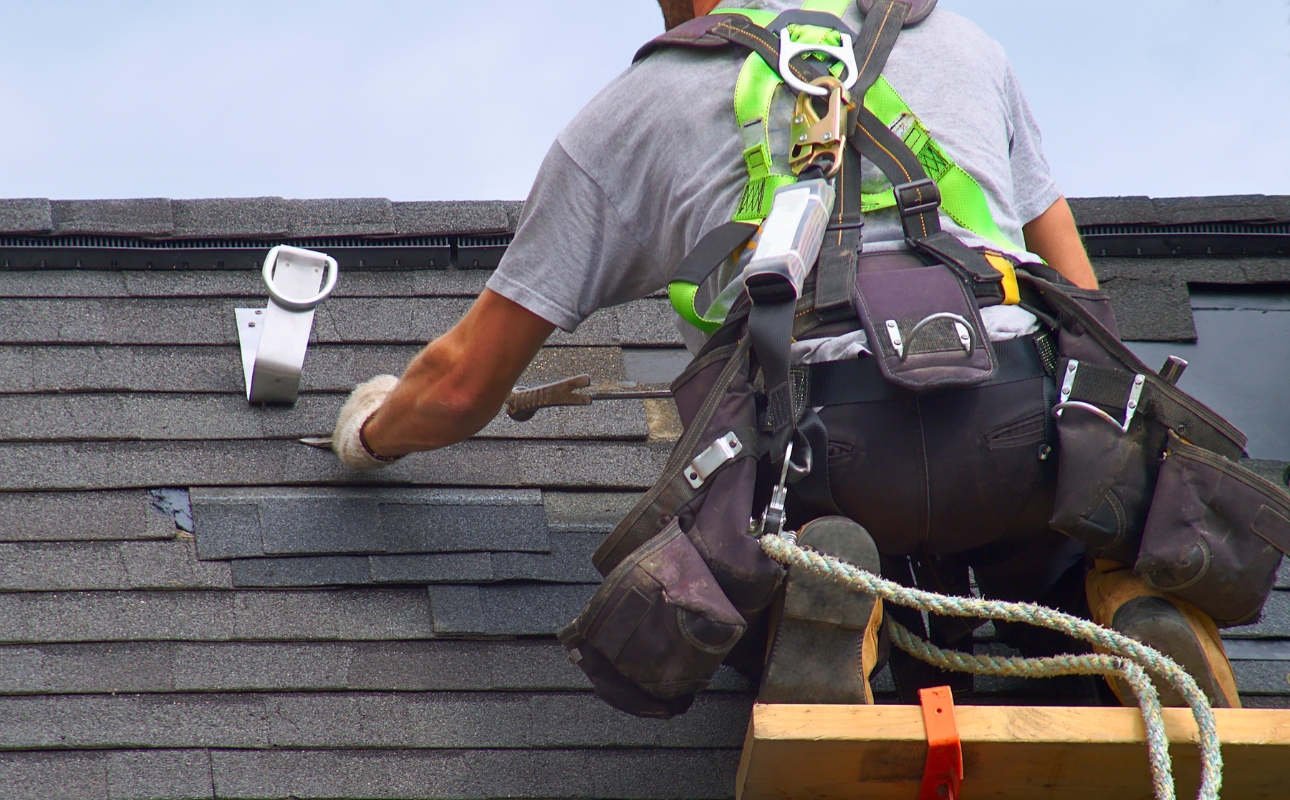
Your home’s roof is its first line of defense against harsh weather and environmental elements. When an emergency strikes, you need a trusted, local contractor who can respond quickly and professionally to protect your property from escalating damage. Whether you’re facing storm damage, sudden leaks, or structural vulnerabilities, knowing when and how to respond protects your home and prevents costly secondary damage.
Padma Contracting has served Staten Island homeowners through countless weather emergencies, understanding the unique coastal challenges this borough faces. Our experience with the neighborhood’s typical damage patterns from nor’easters and local permitting requirements means faster, more effective emergency response. Learn more about our services or contact us to discuss your roofing needs.
What Qualifies as a Roof Emergency?
Understanding When Your Roof Needs Emergency Attention
Not all roof problems require emergency repairs, but knowing the difference can save your property from significant damage. Understanding what constitutes a true roofing emergency helps homeowners respond appropriately and minimize costly secondary damage.
A roofing emergency occurs when exposure to the elements, water intrusion, or structural compromise puts your home and family at risk. Water actively leaking into your interior, missing shingles that expose the roof structure, or visible sagging are clear signs demanding immediate professional attention. A damaged roof that allows the interior or attic to be exposed to the elements constitutes an emergency requiring urgent intervention.
Interior water pooling, drywall damage, or ceiling stains indicate active leaks that worsen with each passing hour. Water damage compounds rapidly—what appears manageable in the morning can double in severity by evening, affecting additional structural components and interior finishes.
Common Emergency Roof Damage Causes
Several weather-related and structural issues can turn minor roof problems into emergencies. Staten Island’s coastal location creates unique vulnerabilities:
High winds tear shingles, loosen flashing, and bend metal panels, leaving your roof vulnerable to water infiltration. This is a common thing during storm season.
Heavy storms, hail, and rain drive water directly into exposed areas, causing ceiling damage and mold growth inside walls. The combination of wind and rain is particularly destructive.
Falling trees or large debris create punctures and holes, potentially compromising your roof’s structural integrity. Staten Island’s tree-lined neighborhoods make this a common emergency cause.
Lightning strikes can cause hidden damage within the roof structure and increase electrical fire risks.
Ice dams form when snow partially melts and refreezes at roof edges, forcing water underneath shingles into walls and attic spaces. This is a recurring winter problem for Staten Island homes.
Fire damage significantly weakens structural components and may require emergency replacement of shingles, underlayment, and roof trusses.
Why Rapid Response Matters for Emergency Roof Repairs
Preventing Escalating Damage and Water Infiltration
Time is your enemy when a roof emergency occurs. What begins as a small leak can rapidly develop into extensive water damage affecting ceilings, walls, flooring, and personal belongings. This moisture creates conditions for mold growth, which poses serious health risks to your family. Structural beams weaken when exposed to prolonged water exposure, potentially compromising your home’s foundational integrity over time.
Emergency roof repair services limit water damage through rapid deployment of tarping and temporary fixes while permanent repairs are scheduled. This immediate action prevents interior damage from escalating and provides peace of mind during stressful situations. Insurance companies often require tarping before inspecting damage, making emergency response critical for your claims process.
The Importance of Professional Assessment
Attempting DIY emergency roof repairs creates significant safety risks and can worsen existing damage. Wet, slippery roofs increase fall risks even from single-story homes, and improper ladder use compounds these dangers.
Inexperienced repairs may void manufacturer warranties or cause additional damage requiring more extensive work than the original problem. Professional roofing contractors understand local building codes and ensure repairs meet safety standards required by Staten Island’s building department.
Licensed professionals assess damage accurately using specialized equipment like moisture meters and thermal imaging cameras. They determine whether repairs or replacement is necessary and document conditions properly for insurance purposes. According to research from the International Association of Certified Home Inspectors, moisture often travels 10-15 feet from the initial leak point through building cavities before becoming visible—making comprehensive assessment critical.
Emergency tarping and temporary stabilization require proper techniques and safety equipment to prevent further damage while permanent repairs are arranged. Professional-grade tarping systems withstand Staten Island’s weather conditions far better than typical DIY attempts.
Immediate Steps to Take During a Roof Emergency
Safety First—Assess and Document
Your family’s safety is the top priority. If damage is severe enough to pose a risk of collapse or widespread flooding, evacuate the room or area. Never attempt to climb onto a damaged roof for closer inspection—damaged structures may be unsafe and unstable.
From a safe vantage point at ground level, document visible damage with photographs and videos from multiple angles. This documentation proves invaluable for insurance claims and helps professionals understand the full extent of damage before we arrive. Move valuable items, electronics, and moisture-sensitive materials away from affected areas.
Prevent Further Water Damage
While waiting for the professionals to arrive, take steps to limit interior damage:
- Place buckets under active leaks to collect water and prevent floor damage
- Open windows slightly to improve air circulation and reduce humidity if conditions permit
- Run a dehumidifier if available to prevent mold growth in affected areas
- Turn off electricity in areas with active water intrusion to prevent electrical hazards
Contact your insurance company immediately to discuss coverage and initiate the claims process. Ask whether your policy covers the specific damage you’ve experienced. Many policies cover sudden, accidental damage like storms or falling trees but may exclude neglect-related issues.
Why Padma Contracting Is Your Staten Island Emergency Roofing Partner
Staten Island’s coastal position creates distinct roofing challenges—from salt air corrosion to nor’easter damage patterns—that require local expertise and rapid response capabilities. Padma Contracting brings decades of experience serving Staten Island properties, combining emergency response with comprehensive renovation expertise that addresses the full scope of storm-related damage.
Comprehensive Emergency Response Capabilities
When roof emergencies strike, our teams arrive equipped to:
- Assess hidden damage beyond visible leaks, using moisture detection and structural evaluation techniques
- Deploy immediate protection through professional-grade tarping and emergency stabilization
- Document thoroughly for insurance claims with detailed photography and damage reports
- Coordinate repairs across multiple building systems when water infiltration affects interiors
Integrated Property Restoration
Roof damage rarely stops at the roof itself. Water travels through walls, ceilings, and floors, affecting flooring, interior finishes, and structural components. Our background in complete home renovation means we identify and address water damage throughout your property—not just patch the immediate leak source.
Local Knowledge and Established Presence
Understanding Staten Island’s specific building codes, typical construction methods across different neighborhoods, and relationships with local building departments means faster permit processing and code-compliant repairs. Our years serving the borough create accountability—we’ll be here to honor warranties and address any follow-up needs long after the emergency passes.
Insurance Navigation Support
Emergency roof repairs often involve complex insurance claims. Our experience working with adjusters means we provide documentation that meets carrier requirements, communicate damage scope effectively, and help ensure you receive appropriate coverage for necessary repairs.
Why Choose Local Staten Island Contractors?
When roof emergencies strike, working with established local contractors means faster response times, accountability, and expertise with Staten Island’s specific weather patterns and building codes. Padma Contracting has served the borough for decades, building relationships with homeowners and maintaining the local presence that ensures we’ll be here for warranty service and future needs.
Contact us for immediate emergency assistance or learn more about our commitment to Staten Island properties.
Frequently Asked Questions
How quickly can emergency roofers respond?
We offer same-day service for most emergency calls, with 24/7 availability for urgent situations. Our typical response time is 2-4 hours, though this can vary during major storm events when multiple emergencies occur simultaneously. We maintain multiple crews specifically to handle high-volume emergency periods.
Will insurance cover my emergency roof repair?
Most homeowner policies cover sudden, accidental damage like storms or falling trees. Neglect-related damage typically isn’t covered. We work directly with insurance companies and can help you understand your coverage. We provide the detailed documentation adjusters need to process claims efficiently.
Can I stay in my home during emergency repairs?
Usually yes, though some inconvenience is normal. We take precautions to minimize disruption to your daily life. We’ll advise on any specific limitations based on the extent of damage and the repairs needed.
What’s the difference between emergency tarping and permanent repair?
Tarping is a temporary waterproof cover preventing water intrusion while permanent repairs are arranged. Our emergency tarping stops damage progression immediately and allows insurance processing to proceed. It typically lasts several weeks to months, giving you time to make informed decisions about permanent solutions.
Should I repair or replace my roof?
We assess damage extent to determine the best approach. Minor leaks and missing shingles often need repair. Extensive damage, advanced age (15-20+ years), or multiple problem areas may warrant replacement. We’ll give you honest recommendations based on what makes the most financial sense for your situation.
Is DIY emergency roof repair safe?
No. Wet roofs are extremely dangerous, and improper repairs can void warranties and create bigger problems. We’ve responded to emergencies made worse by DIY attempts. Leave emergency work to our licensed professionals trained in safety protocols and equipped with proper fall protection.
What should I do immediately after roof damage?
Document the damage with photos, place buckets under leaks, move valuables away from affected areas, contact your insurance company, and call us immediately. Don’t wait—the faster we can respond, the less total damage you’ll face.