Brooklyn’s renovation scene is all about finding that sweet spot between honoring the borough’s architectural history and meeting the needs of modern life. Whether you’re looking at Park Slope brownstones or Williamsburg lofts, homeowners here are making smart investments that do double duty—creating spaces that actually work for how they live while building real equity.
The renovation boom isn’t slowing down. Young professionals and growing families are realizing that thoughtful improvements can transform cramped quarters into their dream homes while making their properties more attractive to future buyers. Padma Contracting gets what Brooklyn homeowners are looking for.
Sustainable Materials and Eco-Friendly Upgrades Leading the Way
Brooklyn homeowners want real environmental accountability when they renovate. Reclaimed wood from demolished warehouses brings incredible character while keeping materials out of landfills. Bamboo flooring stands up to daily wear just like hardwood but grows back way faster.
Low-VOC paints aren’t just a feel-good choice—they actually improve your indoor air quality by eliminating toxic off-gassing. Energy-efficient windows cost more upfront, sure, but they’ll save you real money on heating bills when those brutal New York winters hit. LED lighting uses 75% less energy than old incandescent bulbs and lasts for decades.
Water-saving fixtures from brands like Kohler and Delta keep the pressure strong while cutting your water use by 30-40%. Cork flooring provides natural insulation and cushioning—your downstairs neighbors will definitely appreciate the quieter footsteps. Recycled glass countertops create one-of-a-kind surfaces with depth that traditional materials just can’t match.
Reclaimed brick adds warmth while connecting your renovation to Brooklyn’s industrial roots. These aren’t just trendy materials—they solve real, practical problems.
Smart Home Integration Transforms Daily Living
Smart technology has moved way beyond gimmicks into genuinely useful infrastructure. Nest and Ecobee thermostats learn your schedule and adjust temperatures automatically, cutting your HVAC costs by 10-23%. Smart locks mean no more digging through your bag for keys, plus you can give temporary access codes to contractors or guests.
Ring and Arlo cameras give you peace of mind whether you’re at the office or halfway around the world. In the kitchen, smart tech really shines. Induction cooktops heat faster than gas and stay cool to the touch, so you’re way less likely to burn yourself. Smart refrigerators can track expiration dates and even suggest recipes based on what you’ve got inside.
Voice-activated faucets let you fill pots hands-free while you’re juggling three other things. These features actually streamline your daily routine instead of just looking cool. Lighting automation sets the mood while keeping your home secure. Philips Hue systems adjust color temperature throughout the day to support your natural sleep rhythms.
Motion sensors make sure you don’t trip over anything stumbling through dark hallways at night. Vacation modes simulate your normal patterns to deter break-ins. The best systems tie everything together through voice assistants or simple apps.
Bathroom Renovations: Creating Spa-Like Retreats
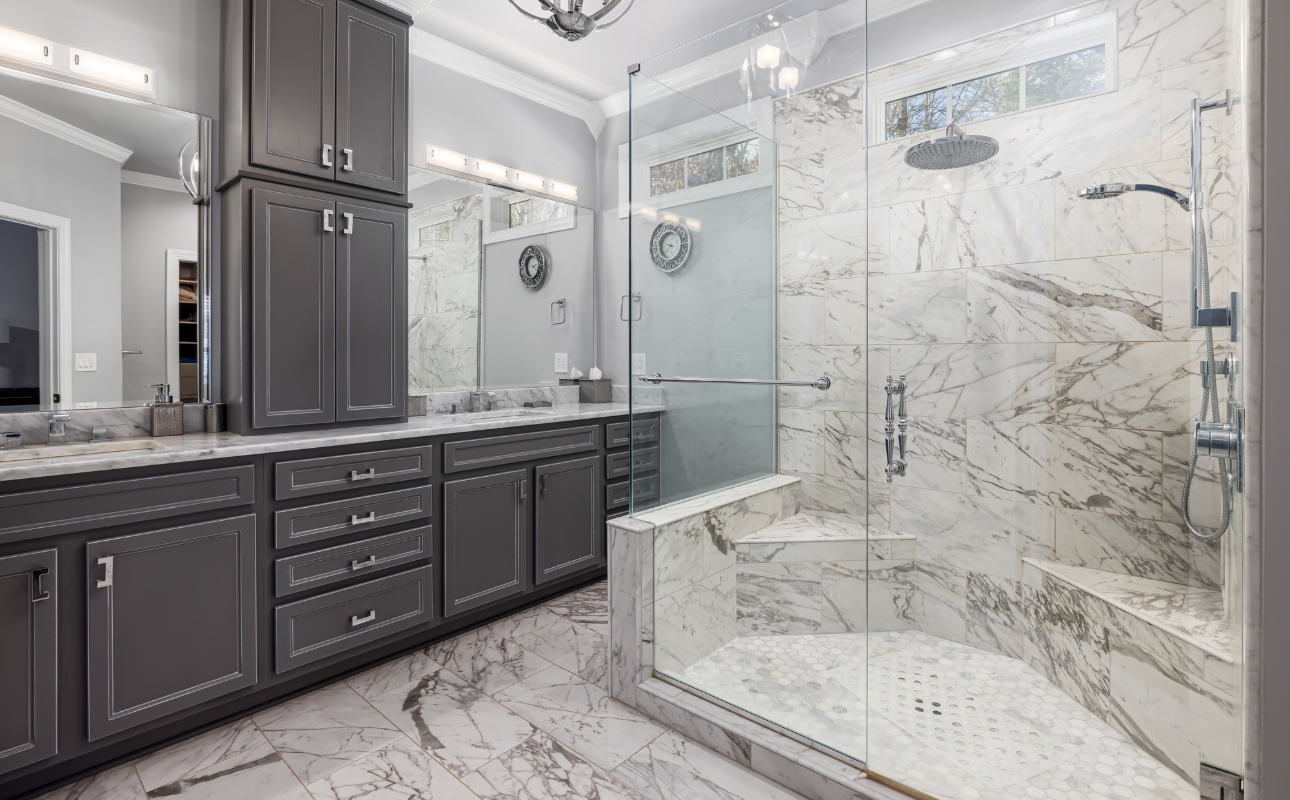
Brooklyn bathrooms are turning into personal sanctuaries. Oversized walk-in showers with multiple heads can transform your morning routine from a chore into something you actually look forward to. Rainfall fixtures and body jets from Grohe bring that luxury hotel feeling right into your home.
Frameless glass enclosures make small bathrooms feel way more spacious and they’re easier to clean. When you use these spaces every single day, the upgrades really justify their cost. Freestanding soaking tubs become beautiful focal points, while built-in options make the most of tighter spaces.
Heated floors eliminate that shocking cold tile moment on winter mornings—it’s a small luxury that makes a huge difference in your daily comfort. Smart mirrors with built-in lighting and defogging combine practical function with sleek, contemporary design. Japanese-style toilets with bidet functions are catching on with homeowners who prioritize comfort and hygiene.
Design-wise, people are getting bolder. Deep emerald greens paired with brass fixtures create a jewel-box vibe. Navy cabinetry grounds white marble in a way that feels both classic and current. Matte black hardware adds a contemporary edge without going full industrial.
Terrazzo tiles in custom color combinations bridge the gap between retro and modern while being incredibly durable. These bold choices let your personality shine through instead of playing it safe for some hypothetical future buyer.
Maximizing Space Through Smart Design Solutions
Space is always at a premium in Brooklyn, so efficient design isn’t optional—it’s essential. Open-concept layouts remove walls that don’t need to be there, creating visual flow that makes 800 square feet live like 1,000. Kitchen islands with built-in storage do triple duty as prep areas, dining spots, and natural room dividers.
Pocket doors save all that space you’d lose to a traditional door swing while still giving you privacy when you need it. These solutions address how you actually live instead of just following some generic floor plan. Multifunctional furniture is a game-changer in smaller homes. Murphy beds fold away so your bedroom can moonlight as a home office.
Storage ottomans hide your seasonal stuff while giving guests somewhere to sit. Extendable dining tables can handle your Thanksgiving crowd then shrink back down for everyday meals. Wall-mounted desks flip down when you need them and disappear when you don’t—your space can transform throughout the day.
Most homes aren’t making the most of their vertical space. Floor-to-ceiling shelving maximizes storage while drawing your eye upward, making the ceiling feel higher. Overhead cabinets capture that dead space above your regular cabinetry.
Hanging pot racks free up cabinet space while keeping your cookware within easy reach. If you’ve got high ceilings, lofted sleeping areas can create distinct zones without putting up permanent walls.
Kitchen Renovations: Balancing Style and Functionality
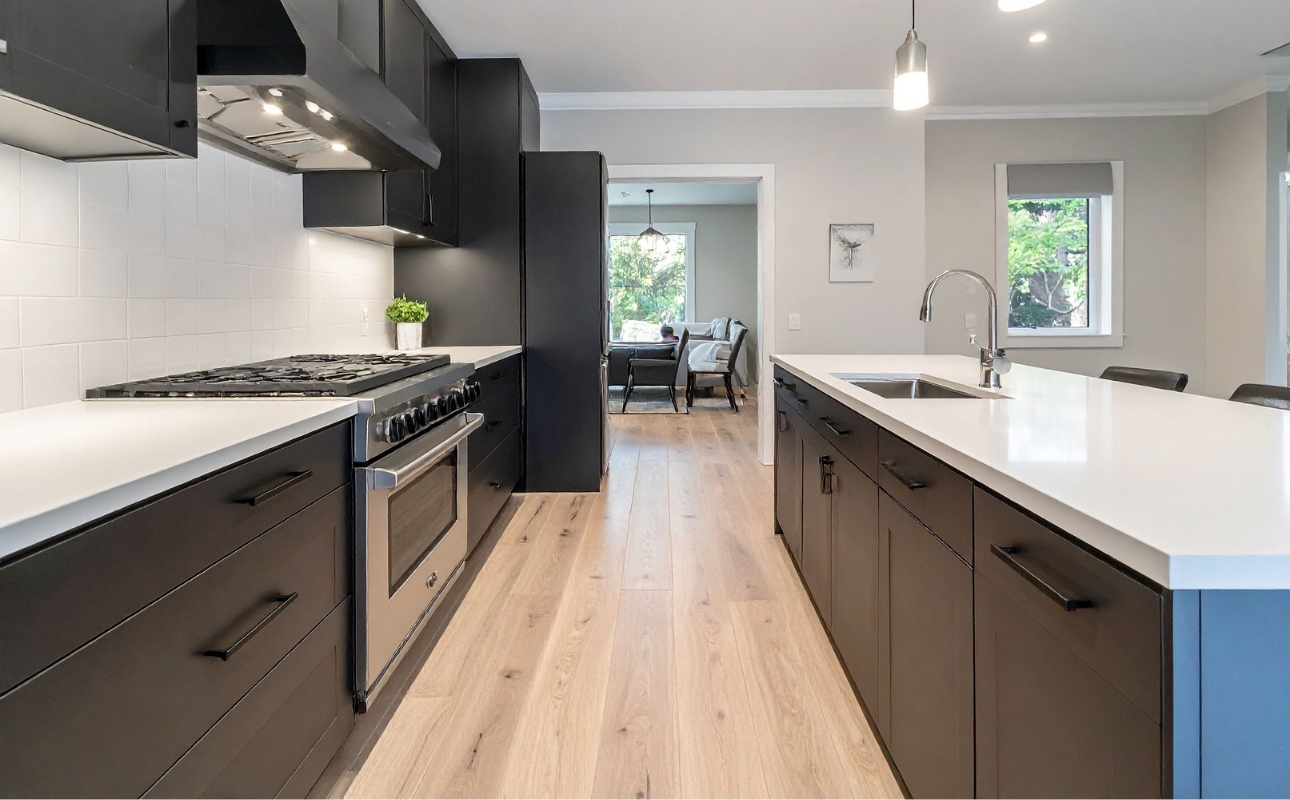
Kitchens are where families actually spend their time these days—they’re the heart of the modern home. Bold cabinetry in colors like forest green or sophisticated navy makes an immediate impact while staying versatile enough to work with different styles. Mixing metals, like brass pulls with matte black hinges, adds visual interest without overwhelming the space.
Statement backsplashes with geometric patterns or handmade tiles inject personality into otherwise neutral palettes. Good lighting is what separates amateur renovations from pro-level results. Recessed lights provide overall illumination while under-cabinet LEDs eliminate those annoying shadows on your counters.
Statement pendants over the island serve double duty—functional and beautiful. Dimmer switches let you adjust from bright task lighting when you’re cooking to softer ambiance for dinner. Proper lighting transforms how usable your kitchen is in every situation.
Quartz countertops are dominating Brooklyn kitchens right now—they resist stains, never need sealing, and give you consistent patterns. Butcher block sections add warmth and create the ideal surface for chopping and prep work. Waterfall edges on islands look dramatic and modern without sacrificing any functionality.
The key is balancing aesthetics with the reality of heavy daily use your kitchen will see.
Architectural Heritage Meets Contemporary Living
Brooklyn’s buildings tell stories worth preserving even as you modernize them. Exposed brick walls add texture you just can’t replicate with new materials. Original wood floors can be refinished to absolutely stunning effect. Those old cast iron radiators? They can become decorative elements instead of eyesores.
Steel beams in converted industrial spaces provide authentic character that new construction can only try to imitate. The trick to blending old and new is knowing when to hold back. A modern kitchen can work beautifully with original tin ceilings overhead. Contemporary glass showers look amazing within vintage tile work.
Minimalist furniture lets your architectural details take center stage without competing for attention. Even exposed ductwork can be painted in complementary colors to embrace that industrial heritage. You’re not trying to create a museum—you’re building a functional space that honors where it came from.
Biophilic design brings nature into dense urban life. Large potted plants create living focal points that actually improve your air quality. Herb gardens in kitchen windows give you fresh ingredients right when you need them. Natural fiber rugs and linen textiles soften hard surfaces and make spaces feel warmer.
Wood tones throughout your home maintain that connection to natural materials, which studies show reduces stress and improves overall wellbeing.
Renovation Budget Considerations for Brooklyn Homeowners
Getting real about costs prevents those nasty mid-project surprises. A basic bathroom refresh—new fixtures, fresh paint, updated lighting—typically runs between $12,000 and $18,000. Mid-range renovations with new vanities and tiling will hit $20,000 to $35,000. High-end projects with custom work and smart technology start at $40,000 and go up.
Kitchen renovations have an even wider range—from $25,000 for targeted upgrades to well over $100,000 for complete gut renovations. Your material choices dramatically impact where you land on that spectrum. Stock cabinets cost a fraction of custom millwork, though you’ll have way fewer options. Quartz countertops range from $50 to $150 per square foot.
Basic subway tile might run $5 to $15 per square foot, while handmade ceramics can hit $50 or more. Understanding these ranges helps you prioritize where to splurge and where to save. Labor costs reflect the reality of skilled trades being in high demand with limited supply.
Licensed professionals bring essential expertise in navigating building codes and avoiding mistakes that could cost you way more to fix later. If you’re in a historic building, you might need specialists who know landmark regulations inside and out. Factor in permits, inspections, and board approvals—they add both time and expense to your timeline.
The Long-Term Value of Home Renovations
Strategic renovations consistently beat average market appreciation rates. An updated kitchen typically returns 70-80% of your investment when you sell, while making your daily life better right now. Modernized bathrooms are the upgrade buyers care about most.
Energy-efficient improvements reduce your operating costs as utility rates keep climbing. These tangible benefits justify renovation costs beyond just the immediate enjoyment. Quality matters way more than quantity. Professional installation means your work passes inspections and functions correctly for years to come. Premium materials come with warranty and track records.
Custom solutions that address your specific property’s challenges make it stand out in the market. Rush jobs using discount materials rarely get you the results you want, and they often need expensive fixes that wipe out whatever you saved upfront. Think about future-proofing your investment too. Accessible design features let you age in place comfortably.
Flexible spaces adapt as your family changes. Robust electrical infrastructure supports whatever technology comes next. Timeless design choices avoid looking dated and needing updates sooner than necessary. Looking beyond your immediate needs creates lasting value as circumstances change.
Frequently Asked Questions
What’s the most important factor in choosing renovation materials?
Balance durability, aesthetics, and your budget. Put your money into quality for high-use areas like counters and fixtures. Sustainable options often deliver better long-term value through reduced maintenance, even if they cost more upfront.
How long should I expect my Brooklyn renovation to take?
Bathroom renovations typically take 6-10 weeks. Kitchen projects need 10-14 weeks. If you’re doing a full apartment gut renovation, plan for 4-6 months. Build in buffer time for permit approvals and those inevitable unexpected issues.
Do I need permits for my renovation project?
Most significant work requires permits—structural changes, plumbing, and electrical work all need official approval. Skipping permits risks fines and major complications when you try to sell. Licensed contractors make sure all the permitting and code compliance gets handled properly.
How can I maximize my renovation ROI?
Focus your budget on kitchens and bathrooms—they consistently deliver the highest returns. Stick with neutral, timeless designs using quality materials. Take care of any maintenance issues like old plumbing while you’re at it. Energy-efficient upgrades appeal to buyers while cutting your costs immediately.
Should I renovate before selling or leave it to buyers?
It depends on your property’s condition and the current market. Updated properties sell faster and command better prices. Strategic improvements—fresh paint, updated fixtures, refinished floors—can deliver excellent returns without the cost of a full renovation.
What makes a contractor qualified for Brooklyn renovations?
Verify their licensing, insurance, and ask for references from recent Brooklyn projects. Experience with your specific building type matters. Talk through their permit process, timeline estimates, and how they handle unexpected issues. Clear contracts prevent disputes down the road.
Are smart home features worth including in renovations?
Smart thermostats and lighting systems actually pay for themselves through energy savings. Security features provide peace of mind that’s hard to put a price on. Focus on easily replaceable items rather than expensive built-ins that might become obsolete quickly.